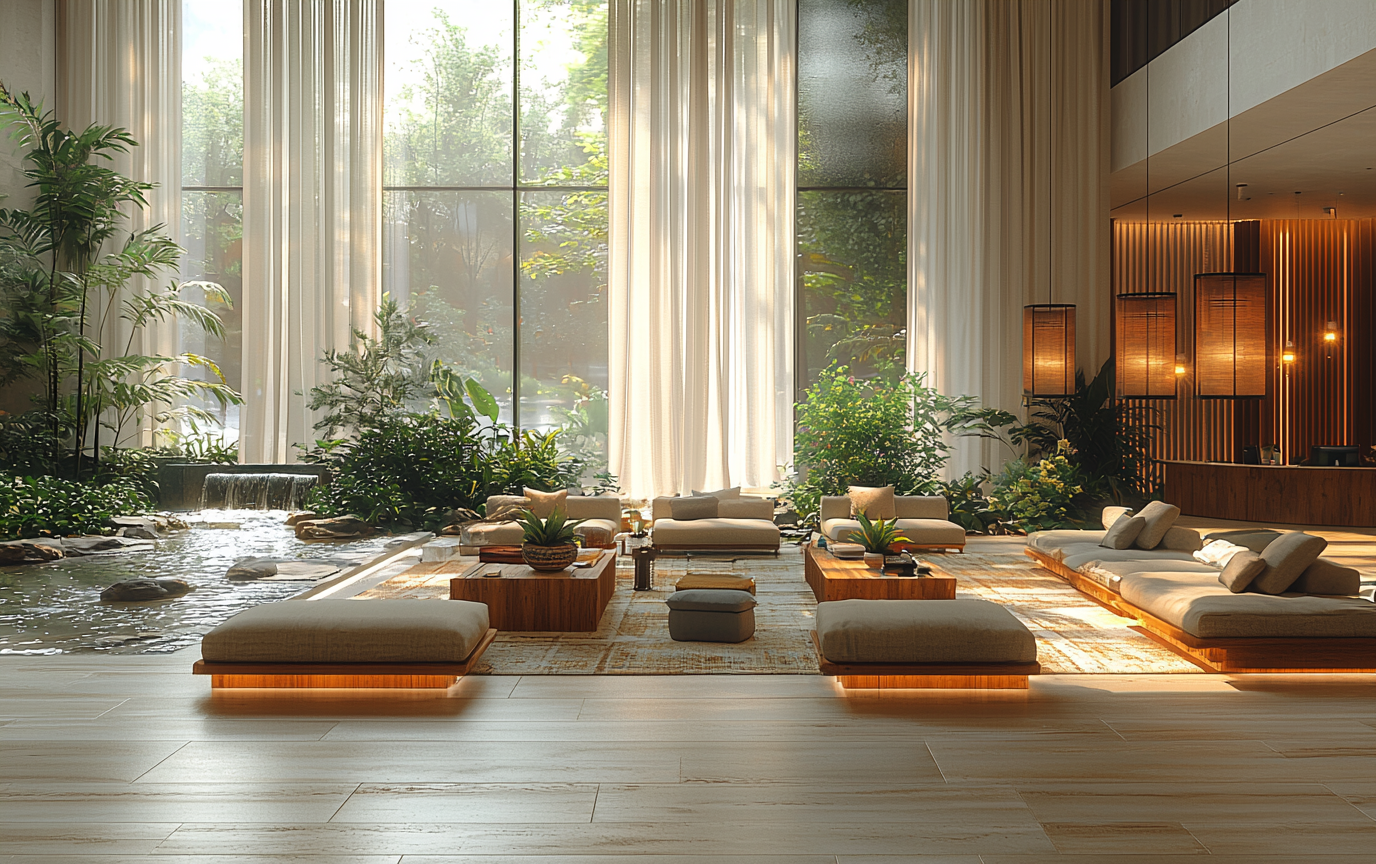
The Psychology of Hotel Design: Why You Feel So Relaxed
Ah, hotels! Those delightful sanctuaries away from home, where you can finally breathe, kick off your shoes, and let out a contented sigh (preferably after checking for hidden bedbugs). But have you ever wondered why some hotels make you feel as snug as a bug in a rug? Spoiler alert: It’s not just about fluffy pillows or complimentary biscuits (though they do help). It’s all to do with a charming little thing called psychology! Today, we’ll venture into the fascinating world of hotel design and discover the art behind that dreamy sense of relaxation. Buckle up, dear reader; this is going to be one jolly ride!
The Foundation of Psychological Design
Let’s kick things off with a little bit of science. Hotel design shakes hands with architecture in a delightful dance known as Environmental Psychology. This branch of philosophy kindly reminds us that the spaces we inhabit impact our emotions and behaviours more than that last pint you had at the local pub!
Designers concoct what they refer to as a «psychological landscape,» where every element—from the layout to the lighting and even the humble colour palette—has been carefully chosen to elicit a specific emotional response. When done right, the space isn’t just a pretty picture; it resonates with your inner weirdo, creating a lovely, subconscious «ahhh» moment.
Understanding Guest Needs and Expectations
Picture this: You’re crawling into a hotel lobby, exhausted from a long day of travel (or perhaps just one too many gin and tonics). You need either a bubble of tranquillity or a buzzing hive of social interaction, depending on your mood. Enter hotel designers, those modern-day sorcerers who anticipate your emotional needs better than your own mother.
For the introverts amongst us, a serene room is essential for catching Z’s; meanwhile, the more extroverted souls can frolic joyfully into a lively lobby full of chatter and camaraderie. It’s all about ensuring that whether you fancy silence or socialising, you’re covered like a well-made bed!
Colour Psychology
Now, let’s chat about colours—the unsung heroes of hotel interiors. Imagine stepping into a room painted in a vibrant orange. It’s like trying to relax on a sugar-high kid’s birthday party; simply not conducive! Smart designers carefully select colours to create an ambiance that folks crave: calming blues and greens to wash over you like a gentle sea breeze or that cheeky splash of yellow to stimulate your brain—just a smidge, mind you!
The key? Balance! Striking that perfect harmony means it feels spacious and cosy; rather like your nan’s sitting room filled with oversized cushions and an uncanny amount of cats.
Lighting and Its Emotional Impacts
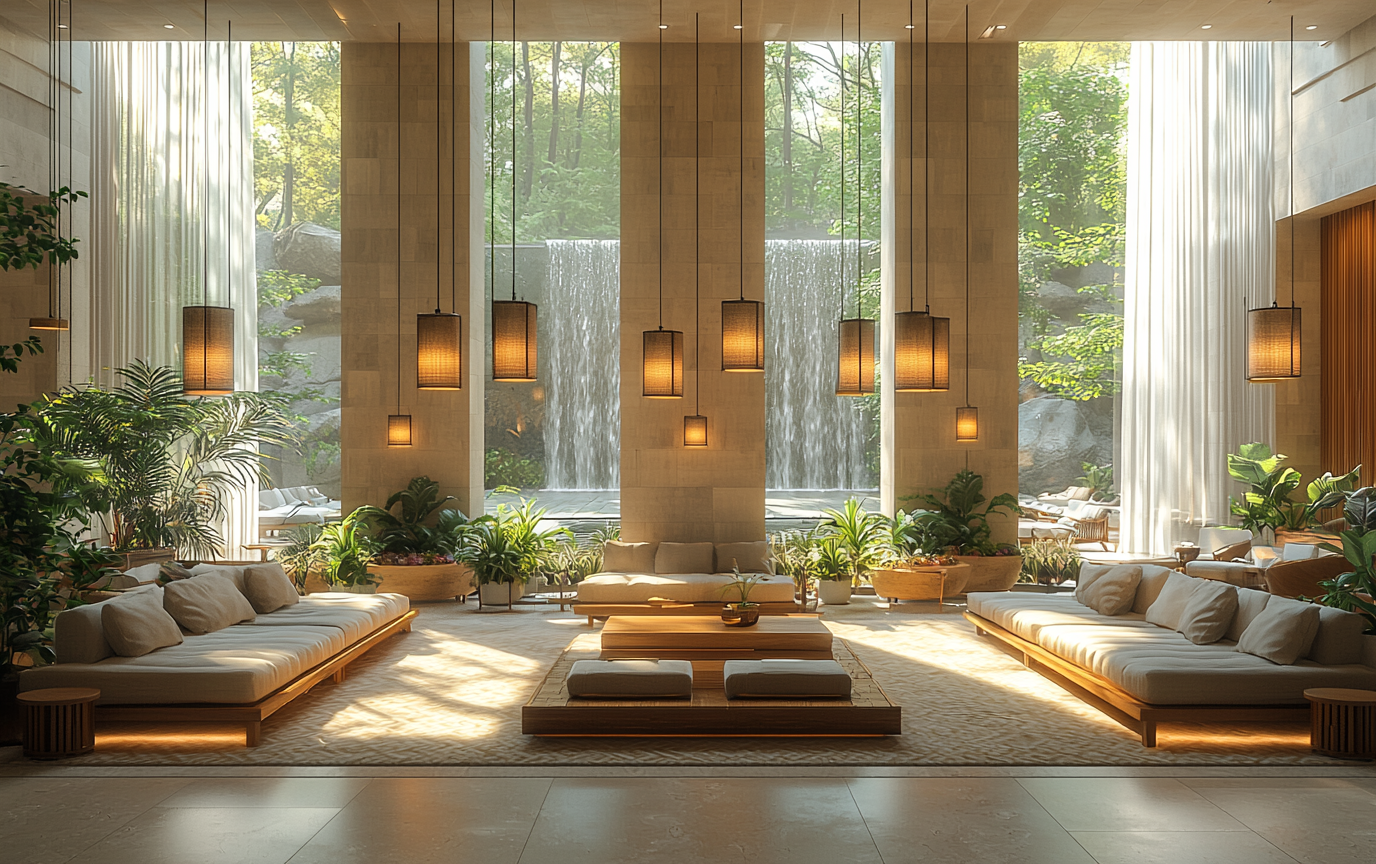
Now let’s illuminate the subject of lighting—pun very much intended! Lighting does not merely brighten rooms; it has the remarkable ability to set the emotional tone. Natural light? Marvellous! It can uplift spirits like a double espresso, and if aligned with our circadian rhythms, it’s practically a miracle worker!
Then we have artificial lighting—the warm, welcoming glow that ensnares you into its embrace as you enter the lobby. Why, the softer the lighting, the more inviting it feels! Meanwhile, brighter lights in the gym say «Get up and get moving!» So, really, it’s an emotional tug-of-war between relaxation and motivation. No pressure there!
Sensory Design Elements
But wait, there’s more! The magic of hotel design goes beyond the visual; sensory elements make all the difference. Think about the sounds. You’ll want serene music wafting through the lobby rather than the screeching fits of a toddler! On the scent front, many hotels have a signature aroma—perhaps a delightful waft of fresh pastries or light lavender—and such olfactory cues can evoke delightful memories, much like a good old-fashioned cup of Earl Grey.
Technology Integration
Ah, the wonders of modern technology! Between smart rooms equipped with your own control panel (because who wants to get out of bed to change the temperature?), and voice-activated services that can summon assistance faster than you can say “room service,” hotels today offer bold leaps forward in convenience. Talk about a hassle-free holiday!
Automated check-ins and robotic luggage handling make checking in feel as breezy as a Cornish summer’s day. With the double help of technology, energy use is reduced while ensuring your stay is as seamless as Aunt Mildred’s sponge cake!
Accessibility and Inclusivity
In these enlightened times, hotel design champions accessibility and inclusivity for all. Because let’s face it, we all deserve a comfortable place to crash at the end of a long day of holidaying. Universal design in hotels may include wheelchair ramps, auditory guidance systems, and clear layouts that help everyone navigate easily. If only making a cup of tea was that simple!
Incorporating Local Culture
Let’s not forget about local culture here! Many hotels take inspiration from the surrounding landscape, local art, and distinctive architectural styles. This not only gifts guests with a unique experience but builds an authentic connection to the area—because no one wants to be that tourist who only seeks out chain shops!
Sustainability and Wellness
In our current climate (literally and figuratively), sustainable travel has become a top priority. Hotels now embrace eco-friendly designs, such as energy-saving lighting, water-efficient fixtures, and the use of sustainable materials. And naturally, wellness is woven seamlessly into the experience. Think yoga classes at sunrise or tranquil meditation sessions that would make even the most zen monk slightly jealous!
Creating Personalized Experiences
Nothing says «we care» more than a hotel that can cater to your unique preferences. High-end hotels often allow guests to personalize their rooms with a digital gallery of artwork. Imagine settling in and feeling like it’s uniquely your space—like coming home, but minus the nagging relatives!
The Power of First Impressions
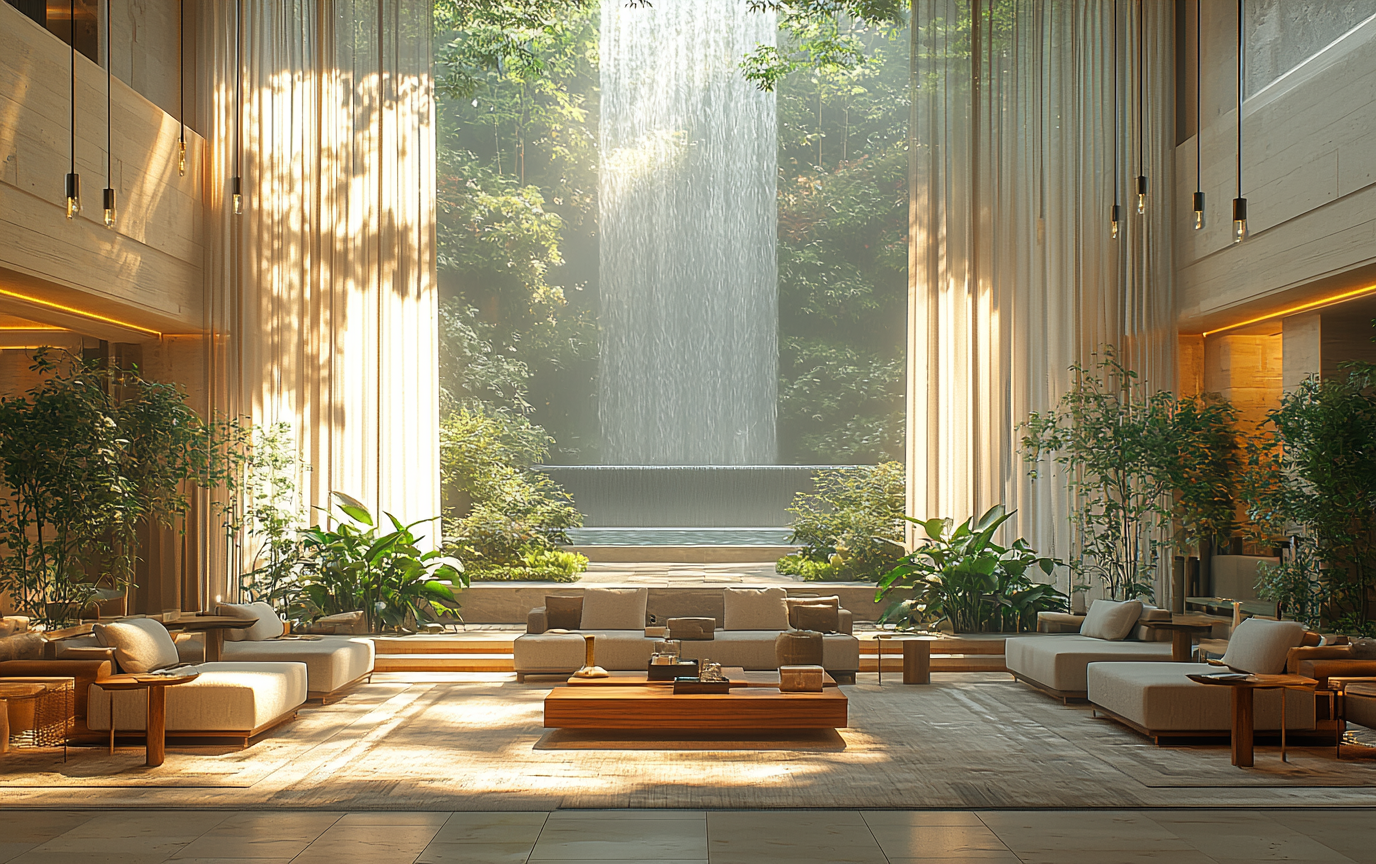
Last, but by no means least, let’s chat about first impressions. The moment you saunter into a hotel lobby, your feelings are set in stone. A beautifully crafted lobby with inviting décor, snug seating, and a warm welcome can make you feel as if you’re about to have the time of your life. A little thoughtfulness in design goes a long way in ensuring guests feel at home from the get-go!
Conclusion
The intricate psychology of hotel design is like a well-crafted mystery novel—layered, charming, and full of delightful surprises! By unravelling the threads of environmental and sensory psychology, colour influence, and quite a bit of tech wizardry, hotels can create not just an experience but a sanctuary for weary travellers. So next time you check into a hotel, spare a moment to appreciate the genius behind it all. And remember, that intoxicating sense of relaxation is always just a well-designed hotel away!