How Hotels Have Changed Over the Decades: A Journey Through Time
Picture this: you saunter into a hotel today, and you’re not just checking in. No, my friend, you’re stepping into a treasure trove of comfort, convenience, and innovation shaped by centuries of hospitality evolution. Grab your virtual passport and join me on a delightful jaunt through the history of hotels, where we’ll explore significant changes and milestones that have crafted the hospitality industry into the charming beast it is today.
Ancient Roots of Hospitality
Believe it or not, the idea of having a place for weary travellers to rest their heads goes way back to the ancients. In ancient Rome, for example, a cheerful little venture known as hospitia welcomed tired wanderers, much like your local pub does on a Friday night. Meanwhile, in ancient Greece, public baths and inns were all the rage, serving as a resting spot for those on the move—think of them as the hotel leeks of the ancient world, where everyone was just trying to relax after a long day of foot travel.
Middle Ages: Monasteries and Inns
Fast forward to the Middle Ages, where monks and innkeepers ruled the roost. Monasteries doubled as welcoming havens for pilgrims, merchants, and anyone who felt like dropping in for a good night’s sleep. A prime example? The wonderfully charming Maids Head Hotel in Norwich, which has been rolling out the welcome mat since the 1090s, once catering specifically to thirsty pilgrims en route to the nearby Norwich Cathedral. Talk about a long-standing legacy!
18th Century: The Emergence of Modern Hospitality
Now, let’s fast forward to the 18th century—a majestic time for dawns of modern hospitality. Grand hotels began sprouting up like weeds in Europe, acting as elite social meeting grounds and providing all the basic amenities needed, such as sustenance and a roof over one’s head. One of the earliest recognisable hotels, the City Hotel in New York City, waltzed onto the scene in 1794, and the modern hotel business as we know it now had officially begun to unfold.
19th Century: Expansion and Elegance
The 19th century unfurled itself like a grand, luxurious banquet, bringing elegance and expansion to the hotel landscape. With the rise of railways across Europe and the United States, hotels sprang into life, catering to the bustling throngs of eager travellers. Iconic establishments like The Ritz in Paris and The Waldorf-Astoria in New York set higher-than-the-sky standards for service and comfort, while the Netherland Hotel in New York made waves by introducing telephones in every room in 1829—a little revolutionary, wouldn’t you say?
Early 20th Century: Innovation and Luxury
The early 20th century was like a champagne bubble of innovation, where hotel amenities really started to sparkle. The Statler Hotel in New York City opened its doors in 1907 and became the trendsetter that introduced private bathrooms in every room. Guests must have felt like royalty! By the late 1920s, the Statler in Detroit jazzed things up further, bringing radios into the mix—because who doesn’t want to unwind with a bit of smooth jazz while soaking in the tub?
1950s to 1970s: The Era of Hotel Chains and Global Expansion
And then came the post-war era, a glorious time when hotel chains like Hilton and Marriott began to pop up like daisies, lending consistency to the guest experience across the globe. With the introduction of credit cards, paying for that fruity cocktail by the pool became a zip—well, maybe not a literal zip; boredom with cash was a true treat! The 1960s also saw the birth of luxury brands like Four Seasons and Ritz Carlton, which blossomed into beacons of exemplary hospitality.
1980s: The Dawn of the Digital Age
Next up, we’ve got the 1980s, a wonderful decade notorious for big hair and even bigger ideas in the hotel industry. Computers were slowly but surely making their way into hotel management. Computer Reservation Systems (CRS) and Property Management Systems (PMS) revolutionised how hotels operated, ushering in real-time reservations and efficiently automating processes from room allocations to billing. The groundwork for the modern digital hospitality landscape was being laid like a well-placed carpet in a plush lobby.
1990s: The Internet and Globalization
With the turn of the 1990s, the Internet swooped in like a knight in shining armour, fundamentally altering the hotel booking landscape. The first hotel websites sprang to life, letting would-be guests research and book rooms in a few keyboard clicks. Platforms such as TripAdvisor, which launched in 2000, became everyone’s armchair travel companion, steering customers toward their perfect stay. Meanwhile, globalization was strapping hotel chains into the roller coaster of international markets, igniting competition and elevating the hospitality experience with every twist and turn.
Modern Era: Digital Transformation and Personalization
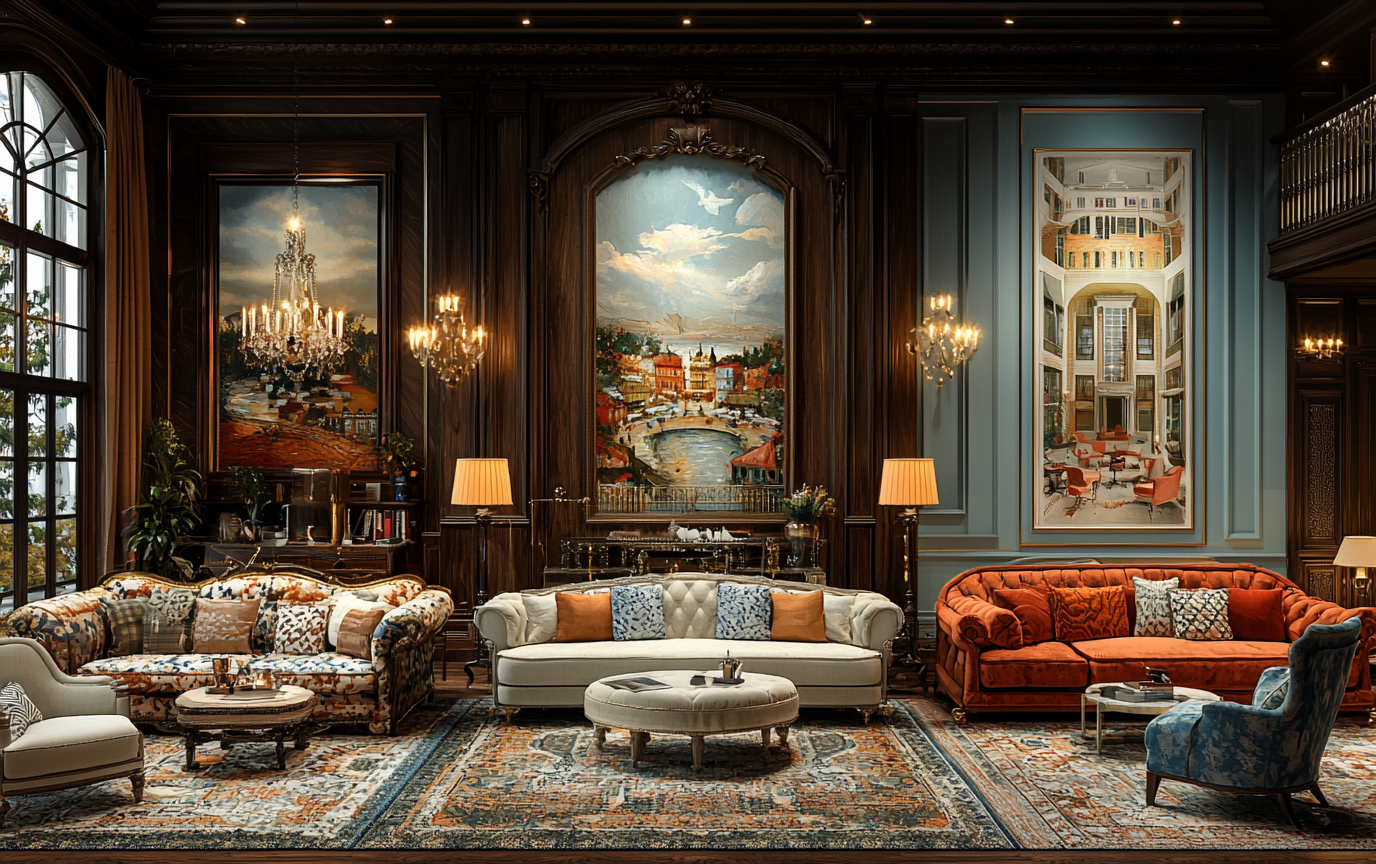
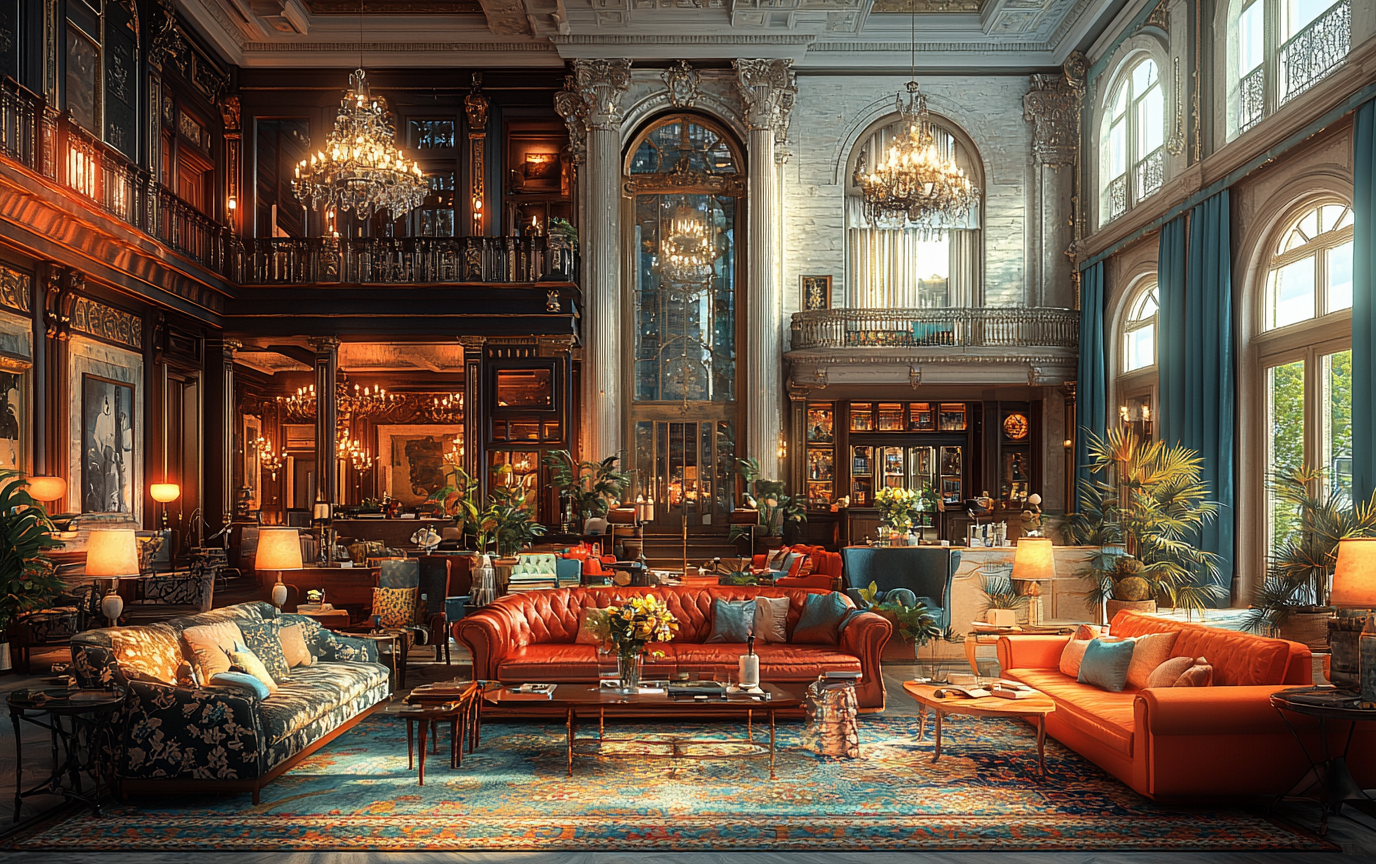
Ah, and here we are in the modern era—where technology is the star of the hospitality show! Luxury hotels and beyond have transformed into sophisticated spaces, marrying modern conveniences with a sprinkle of charm. With smart rooms and personalised services, hotels are now crafted to create an all-encompassing experience that caters to every guest’s whim. It’s practically like having a genie at your beck and call—minus the lamp, of course. Well, mostly!
Key Innovations and Trends
- Technological Advancements: Hotels have consistently led the charge in technological innovation, adopting newfangled gadgets long before they made it round the tea circle at home. Today, cafes are using AI, IoT, and handy mobile apps to ramp up the guest experience.
- Luxury and Service: The golden age of hospitality—between 1960 and 1980—saw an enchanting focus on luxury. Esteemed brands like Four Seasons and Ritz Carlton became synonymous with impeccable service, elevating hospitality to an art form.
- Global Expansion: The rise of international hotel chains and the march of globalization marked a standardised guest experience worldwide, sending ripples of innovation and competition through the industry.
- Digital Booking and Reviews: The Internet fundamentally reshaped how hotels are booked and reviewed, allowing savvy guests to gauge accommodations based on real-time experiences and book with just a few clicks.
Conclusion
The evolution of hotels is a captivating narrative filled with rich history. From ancient hospitia to the high-tech havens of today, the hospitality industry has continually adapted to meet the dreams and desires of globe-trotting travellers. Whether you’re ensconced in a historic spot like the Maids Head in Norwich or luxuriating in a cutting-edge resort, you’re partaking in centuries of dedication to hospitality and innovation.
So, the next time you check into a hotel, take a moment to appreciate the remarkable journey that has shaped the industry to this very day. It’s a tale woven with innovation, elegance, and an unwavering commitment to giving every guest a memorable experience. And if your travels are taking you to Newquay, rest assured our hotel embodies this wonderful evolution, harmoniously blending traditional hospitality with all the modern conveniences you could ever wish for—because a good night’s sleep is just the start of unforgettable adventures!